Best Dog Food for Dobermans: A Complete Nutrition Guide for Every Life Stage

Best Dog Food for Dobermans: A Complete Nutrition Guide for Every Life Stage
Choosing the best dog food for a Doberman is not as simple as buying the most expensive bag on the shelf.
Dobermans are powerful, athletic dogs with unique nutritional requirements. Their lean muscle mass, high energy levels, and predisposition to certain health conditions mean that diet plays a major role in their overall well-being. A poor-quality diet can contribute to digestive issues, dull coats, low energy, obesity, and even long-term health problems.
Many owners spend hours comparing brands, reading ingredient labels, and searching online reviews, only to become more confused. Grain-free or grain-inclusive? Dry food or raw diet? High protein or moderate protein?
The truth is that there is no single perfect food for every Doberman. The best choice depends on your dog’s age, activity level, health status, and individual needs.
This guide will help you understand what Dobermans require nutritionally, how to evaluate dog food labels, and how to choose a diet that supports a healthy and active life.

Why Dobermans Have Different Nutritional Needs
Dobermans were originally developed as working dogs. Even today, they remain one of the most athletic and energetic breeds in the world.
Unlike some breeds that gain weight easily and live relatively sedentary lifestyles, Dobermans are built for movement. They possess a lean body structure, strong muscles, and remarkable endurance.
Because of this, they require:
- High-quality animal protein
- Moderate healthy fats
- Balanced carbohydrates
- Essential vitamins and minerals
- Joint-supporting nutrients
- Heart-supportive ingredients
A diet that fails to meet these requirements may lead to poor muscle development, decreased energy, and nutritional deficiencies.
What Nutrients Are Most Important for Dobermans?
Protein
Protein is the foundation of a Doberman’s diet.
It supports:
- Muscle growth
- Tissue repair
- Immune function
- Healthy skin and coat
Look for foods that list a real meat source as the first ingredient, such as:
- Chicken
- Turkey
- Beef
- Lamb
- Salmon
- Duck
For most healthy adult Dobermans, a protein content between 25% and 35% is ideal.
Active working Dobermans may benefit from even higher protein levels.
Healthy Fats
Fat is often misunderstood.
While excessive fat can contribute to obesity, healthy fats provide:
- Energy
- Brain function support
- Healthy skin
- Coat quality
Good sources include:
- Salmon oil
- Fish oil
- Chicken fat
- Flaxseed
Omega-3 fatty acids are especially beneficial because they may help reduce inflammation and support cardiovascular health.
Carbohydrates
Dogs do not require carbohydrates in the same way humans do, but quality carbohydrate sources can provide energy and fiber.
Better options include:
- Sweet potatoes
- Brown rice
- Oatmeal
- Pumpkin
- Peas
Avoid foods that rely heavily on inexpensive fillers such as corn by-products and excessive wheat content.
Joint Support Nutrients
Although Dobermans are not giant dogs, they are large enough to place significant stress on their joints over time.
Look for foods containing:
- Glucosamine
- Chondroitin
- MSM
- Omega-3 fatty acids
These ingredients may help support long-term joint health.
Heart Health Nutrients
Heart health is an important consideration for the breed.
Many Doberman owners specifically seek foods that include:
- Taurine
- L-carnitine
- Omega-3 fatty acids
- High-quality animal proteins
These nutrients are commonly included in premium dog foods formulated for active breeds.
The Biggest Mistakes Owners Make When Choosing Dog Food
Choosing Based Only on Price
Expensive food is not always better.
Marketing often influences purchasing decisions more than nutritional quality.
Instead of focusing solely on price, examine:
- Ingredient quality
- Protein sources
- Nutritional analysis
- Manufacturing standards
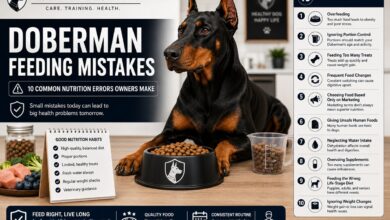
Constantly Switching Foods
Many owners change foods whenever they read a positive review online.
Frequent diet changes can cause digestive upset and make it difficult to determine what actually works for the dog.
If your Doberman is maintaining a healthy weight, has good energy levels, and produces normal stools, there may be little reason to change foods.
Ignoring Portion Control
Even premium food can contribute to obesity when overfed.
Always adjust portions based on:
- Age
- Weight
- Activity level
- Body condition
A healthy Doberman should have a visible waistline and easily felt ribs beneath a thin layer of fat.
Dry Food vs Raw Diet vs Fresh Food
One of the most debated topics among Doberman owners is the type of food to feed.
Dry Food (Kibble)
Pros:
- Convenient
- Affordable
- Long shelf life
- Nutritionally balanced
Cons:
- Quality varies significantly between brands
- Some formulas contain unnecessary fillers
For many owners, a premium kibble remains the most practical option.
Raw Diet
Pros:
- High protein content
- Minimal processing
- Often highly palatable
Cons:
- More expensive
- Requires careful balancing
- Potential food safety concerns
A poorly designed raw diet can create nutritional deficiencies over time.
Fresh Food
Pros:
- Highly digestible
- Excellent ingredient quality
- Often very appealing to picky eaters
Cons:
- Costly
- Requires refrigeration
- Less convenient
Fresh food services have become increasingly popular among owners seeking minimally processed diets.
Best Dog Food for Doberman Puppies
Doberman puppies grow rapidly during their first year.
Proper nutrition during this stage is critical because excessive growth can place additional stress on developing joints and bones.
A quality puppy formula should provide:
- Controlled calcium levels
- High-quality protein
- DHA for brain development
- Balanced calories
Avoid overfeeding.
A lean puppy generally develops more soundly than an overweight one.
Signs Your Doberman Is Thriving on Its Food
The right food should produce noticeable results.
Positive signs include:
- Lean muscle definition
- Healthy weight
- Bright eyes
- Shiny coat
- Consistent energy levels
- Firm stools
- Healthy skin
Nutrition is not judged by the ingredient list alone.
The true test is how your dog looks, feels, and performs every day.
Best Dog Food for Adult Dobermans
Once a Doberman reaches adulthood, nutritional priorities begin to shift from growth to maintenance and long-term health.
Most adult Dobermans thrive on a diet rich in animal protein, moderate in healthy fats, and carefully balanced to maintain a lean body condition. Because the breed is naturally athletic, excess weight can place unnecessary stress on the joints, heart, and overall health.
When selecting food for an adult Doberman, focus on these factors:
High-Quality Animal Protein
The first ingredient should ideally be a named meat source such as:
- Chicken
- Turkey
- Beef
- Lamb
- Salmon
- Whitefish
Protein helps maintain muscle mass and supports recovery after exercise.
Moderate Fat Levels
Adult Dobermans generally perform well with moderate fat levels that provide sustained energy without promoting excessive weight gain.
Dogs involved in sports such as agility, obedience, protection work, or frequent hiking may require higher calorie intake than less active companions.
Digestibility Matters
Not every premium food works for every dog.
Some Dobermans have sensitive stomachs and may perform better on limited-ingredient diets or formulas that include digestive support ingredients such as:
- Pumpkin
- Probiotics
- Prebiotics
- Easily digestible protein sources
The goal is not to find the most expensive food but the one your individual dog consistently does well on.
Best Dog Food for Senior Dobermans
Many Dobermans remain active well into their senior years, but aging dogs often benefit from dietary adjustments.
As metabolism slows, calorie requirements may decrease while the need for certain nutrients increases.
Senior-focused diets often include:
- Joint support ingredients
- Additional antioxidants
- Moderate calorie content
- Enhanced digestibility
- Heart-supportive nutrients
Maintaining Lean Muscle
One common mistake is drastically reducing protein for senior dogs.
Healthy older Dobermans still require quality protein to maintain muscle mass and strength.
Unless advised otherwise by a veterinarian, protein should remain an important part of the diet.
Joint Support
Older Dobermans may experience age-related stiffness.
Foods containing glucosamine, chondroitin, and omega-3 fatty acids can help support mobility.
Weight Management
Even a few extra pounds can significantly affect an aging dog’s comfort and mobility.
Regular weight monitoring becomes increasingly important during the senior years.
How Much Should a Doberman Eat?
Food requirements vary considerably depending on age, activity level, metabolism, and food quality.
The following serves as a general guideline.
Doberman Puppy
8–12 weeks:
3–4 meals daily
3–6 months:
3 meals daily
6–12 months:
2–3 meals daily
Adult Doberman
Most adults do well with:
- Two meals per day
- Consistent feeding times
- Measured portions
Avoid leaving food available all day, as free-feeding can encourage overeating.
Senior Doberman
Most seniors continue to do well with two meals per day, though some may benefit from smaller, more frequent meals if recommended by a veterinarian.
Foods Dobermans Should Never Eat
Many human foods that appear harmless can be dangerous for dogs.
Some can cause digestive upset, while others may result in serious illness.
Chocolate
Chocolate contains compounds that are toxic to dogs and can cause:
- Vomiting
- Tremors
- Seizures
- Heart problems
Grapes and Raisins
Even small amounts may cause severe kidney damage in some dogs.
Onions and Garlic
Large quantities can damage red blood cells and contribute to anemia.
Xylitol
This artificial sweetener is found in many sugar-free products and can cause a life-threatening drop in blood sugar.
Alcohol
Alcohol affects dogs far more severely than humans and should never be offered.
Cooked Bones
Cooked bones can splinter and potentially cause internal injuries or intestinal blockages.
Common Feeding Problems in Dobermans
Even with quality food, some owners encounter feeding challenges.
Picky Eating
Some Dobermans become selective eaters when they learn that refusing food results in tastier alternatives.
Consistency is often the best solution.
Healthy adult dogs generally will not voluntarily starve themselves.
Sensitive Stomach
Signs may include:
- Loose stools
- Gas
- Frequent digestive upset
In these cases, a gradual food transition and simplified ingredient list may help.
Weight Loss
If a Doberman is losing weight despite eating normally, veterinary evaluation is recommended.
Underlying health issues should always be ruled out.
Weight Gain
Unexpected weight gain often results from:
- Excess treats
- Reduced exercise
- Overfeeding
Regular body condition assessments are more reliable than relying solely on the scale.
Supplements for Dobermans: Are They Necessary?
Many owners wonder whether supplements are required.
The answer depends on the individual dog and diet.
A high-quality complete and balanced food often provides everything a healthy dog needs.
However, some owners choose supplements such as:
Fish Oil
Benefits may include:
- Skin support
- Coat health
- Joint support
- Cardiovascular support
Joint Supplements
Common ingredients include:
- Glucosamine
- Chondroitin
- MSM
These are often used for active or aging dogs.
Probiotics
Probiotics may support digestive health and help maintain healthy gut bacteria.
Supplements should complement a quality diet rather than replace proper nutrition.
How to Transition Your Doberman to a New Food
Abrupt food changes frequently cause digestive upset.
A gradual transition is usually best.
Days 1–2
75% old food
25% new food
Days 3–4
50% old food
50% new food
Days 5–6
25% old food
75% new food
Day 7+
100% new food
Monitor stool quality, appetite, and overall energy during the transition.
If significant digestive issues occur, slow the process further.
What Can Dobermans Not Eat? Toxic Foods & Vet Nutrition Guide
The Doberman Pinscher is a breed celebrated worldwide for its muscular build, athletic prowess, and elegant gait. However, beneath this powerful and noble exterior lies a genetic predisposition to certain serious health conditions. One of the most critical aspects of caring for this breed is understanding their unique dietary needs and vulnerabilities.
Finding the best dog food for a Doberman is less about chasing trends and more about understanding the breed’s unique nutritional needs.
A healthy Doberman should display:
- Strong muscle tone
- Consistent energy
- Healthy skin
- A shiny coat
- Good digestion
- Proper body weight
Whether you choose premium kibble, fresh food, or a carefully balanced raw diet, the most important factor is how your individual dog responds.
The best food is ultimately the one that helps your Doberman stay healthy, active, and thriving throughout every stage of life.
With proper nutrition, regular exercise, routine veterinary care, and careful weight management, your Doberman can enjoy many years of excellent health and companionship.
YouTube: DobermanOnline
Frequently Asked Questions About Feeding Dobermans
What is the best dog food for a Doberman?
The best dog food for a Doberman is one that provides high-quality animal protein, balanced fats, and complete nutrition appropriate for the dog’s age and activity level. A food that works well for one Doberman may not necessarily be the best option for another.
Should Dobermans eat grain-free food?
Not necessarily. Many Dobermans do well on grain-inclusive diets containing ingredients such as brown rice or oats. Grain-free food should only be chosen when it suits the individual dog’s needs and is recommended by a veterinary professional.
How much protein does a Doberman need?
Most healthy adult Dobermans thrive on foods containing approximately 25% to 35% protein. Highly active dogs may benefit from higher protein levels.
Is raw food good for Dobermans?
A properly balanced raw diet can work for some Dobermans. However, it requires careful planning to ensure complete nutrition and safe food handling practices.
How many times a day should a Doberman eat?
Most adult Dobermans do best when fed twice daily. Puppies generally require three to four meals per day depending on age.
What foods are toxic to Dobermans?
Some dangerous foods include:
- Chocolate
- Grapes
- Raisins
- Onions
- Garlic
- Xylitol
- Alcohol
- Cooked bones
Can Dobermans eat chicken?
Yes. Chicken is a common protein source found in many high-quality dog foods. However, some dogs may develop sensitivities or allergies to chicken.
Can Dobermans eat eggs?
Yes. Cooked eggs can be a nutritious source of protein and healthy fats when offered in moderation.
What is the best food for a Doberman puppy?
Doberman puppies should eat a high-quality large-breed puppy formula designed to support controlled growth and healthy bone development.
How can I tell if my Doberman’s food is working?
Positive signs include:
- Healthy weight
- Strong muscle tone
- Firm stools
- Healthy skin
- Shiny coat
- Good energy levels
Can Dobermans eat human food?
Some human foods are safe in moderation, but many are not. Dog owners should always verify whether a food is safe before sharing it.
Should I add supplements to my Doberman’s diet?
A complete and balanced food often provides all necessary nutrients. Some owners choose supplements such as fish oil, probiotics, or joint support products depending on their dog’s needs.
Why is my Doberman always hungry?
Some Dobermans have naturally strong appetites. Excessive hunger may also be related to activity level, feeding routine, food quality, or an underlying health condition.
What should I do if my Doberman is a picky eater?
Avoid constantly changing foods or adding numerous toppers. Consistency and scheduled feeding times often help improve eating habits.
Is wet food better than dry food for Dobermans?
Neither is universally better. Both wet and dry foods can provide complete nutrition when they are high-quality and appropriately formulated.